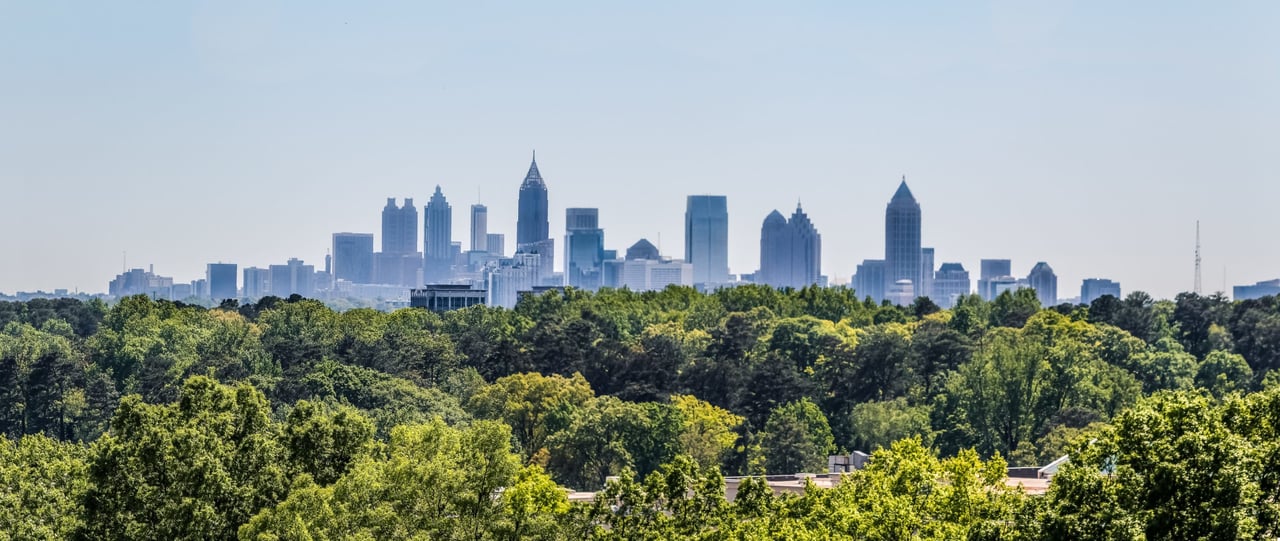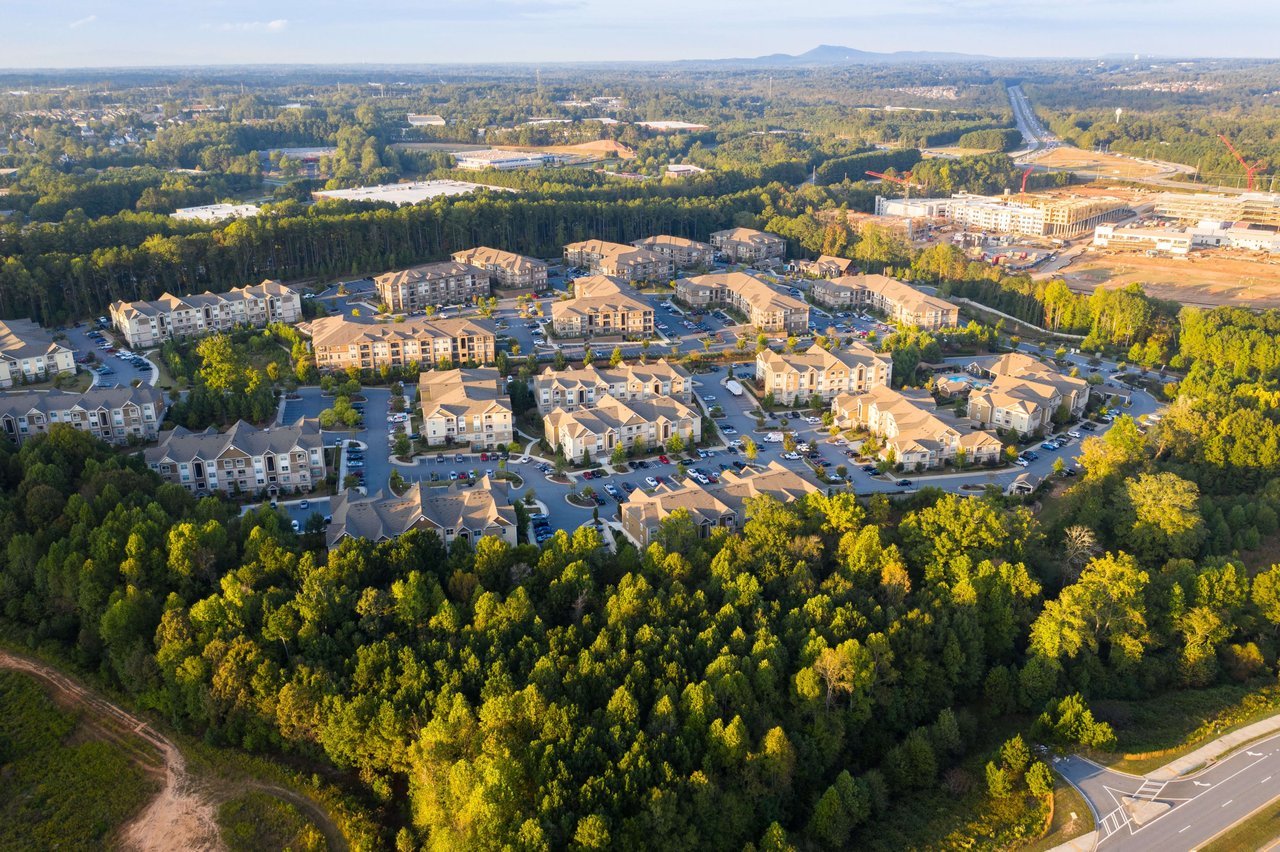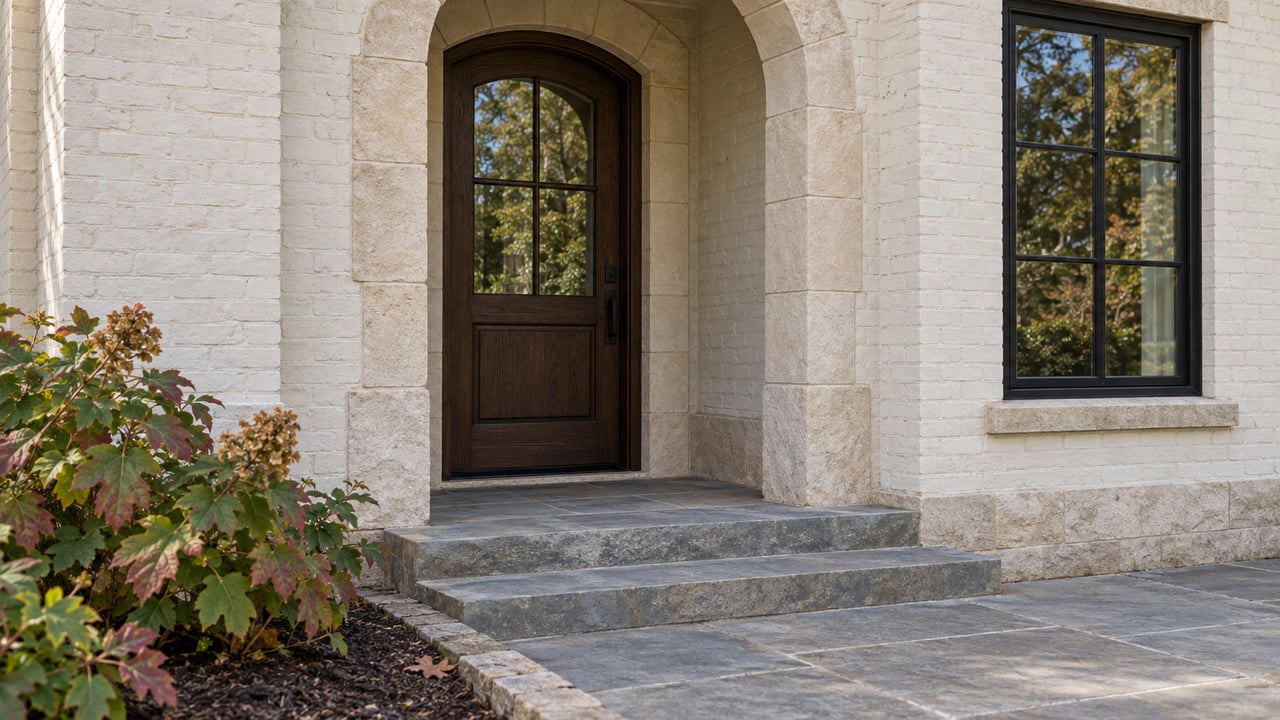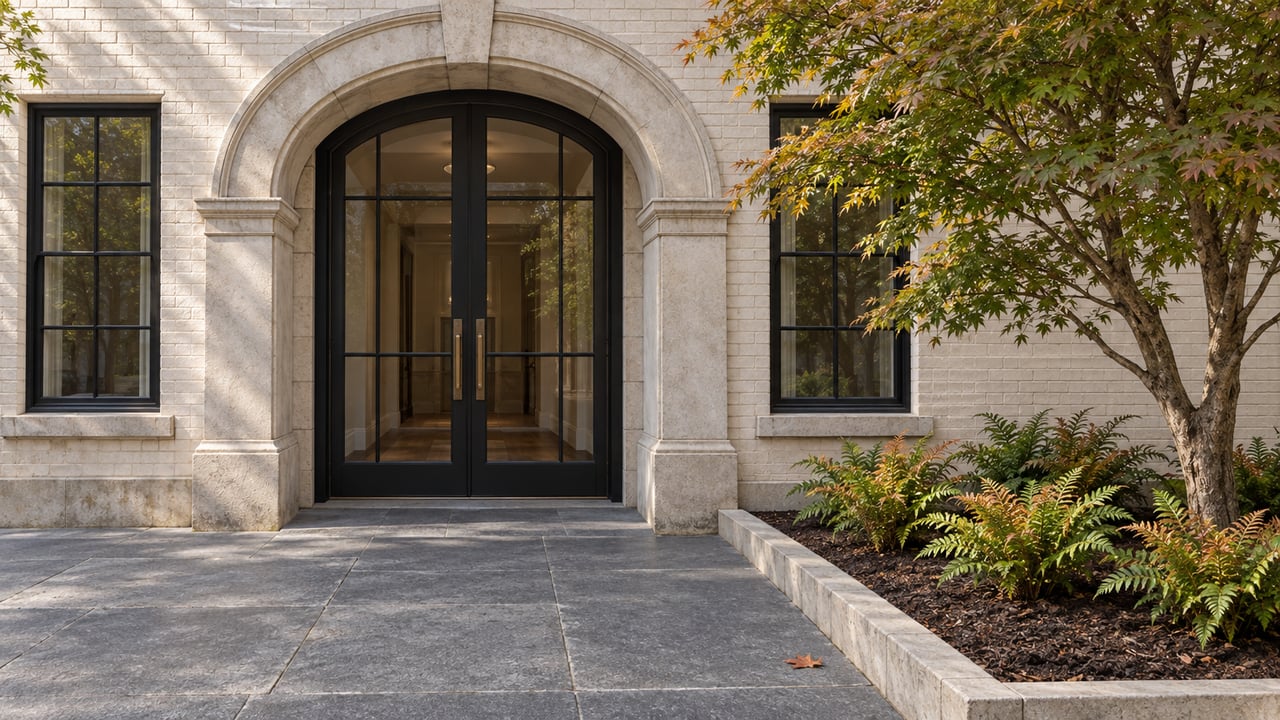
If you want room to breathe without losing touch with metro Atlanta, Milton stands out. This is a place where estate living and equestrian life are not just marketing phrases, but a visible part of the landscape and the city’s identity. If you are exploring a move, planning a sale, or simply comparing acreage options in North Fulton, this guide will help you understand what makes Milton unique. Let’s dive in.
Why Milton Appeals to Estate Buyers
Milton describes itself as rural yet connected, and that balance helps explain its appeal. The city is about 26 miles from downtown Atlanta, has more than 41,000 residents, and about 85% of its 39-plus square miles is agriculturally zoned. Residential lots are generally at least 1 acre, which creates a very different feel from denser suburban areas.
For you as a buyer, that often means more separation between homes, more tree cover, and a stronger sense of openness. For you as a seller, it means your property may be part of a broader lifestyle story built around land, privacy, and everyday access to the outdoors.
Large lots shape the look and feel
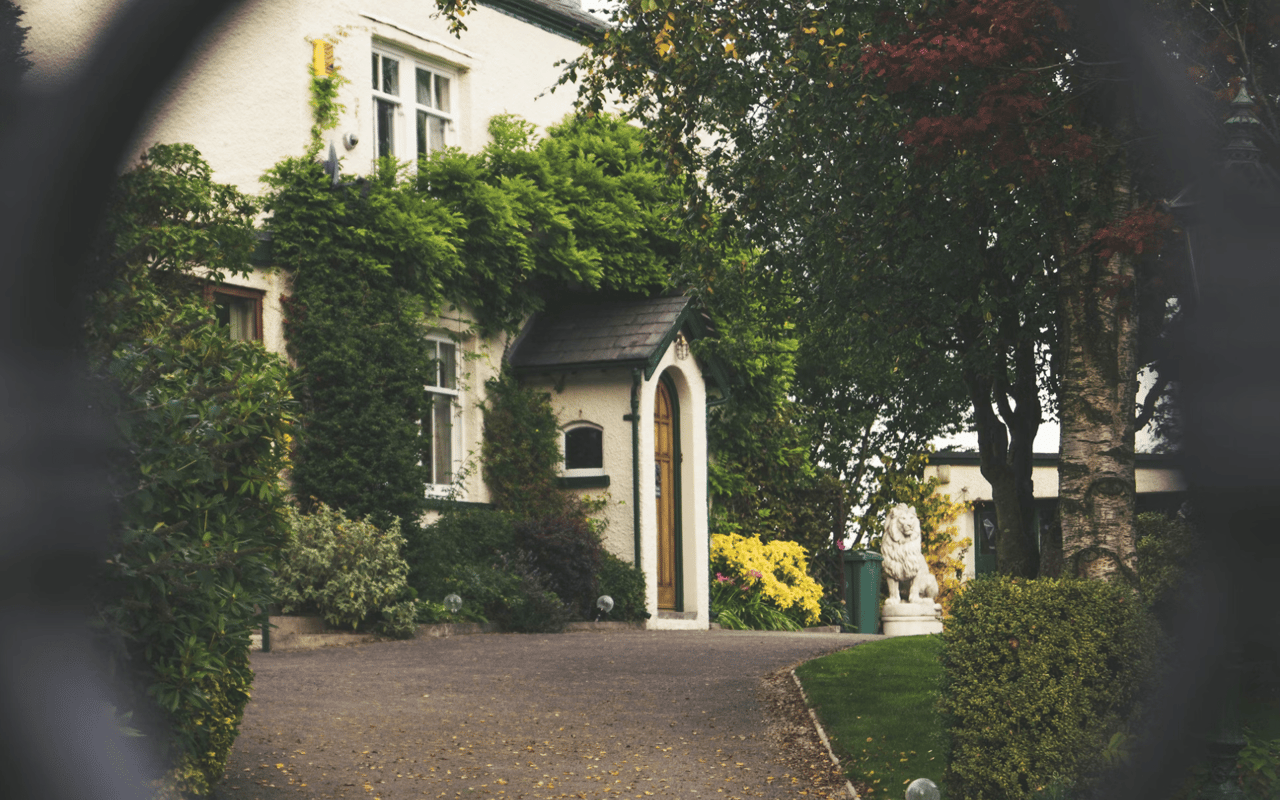
Milton defines a large lot as 3 acres or more. In the city’s own guidance, these properties may include rolling lawns, horses in pasture, set-back homes, and tree-lined frontage. Together, those features create the spacious setting many people picture when they think about estate living.
That matters because Milton’s visual identity is not limited to one style of home or one type of street. Instead, the character often comes from the land itself, along with the way homes sit within that land.
Equestrian Living Is Part of Daily Life
In some markets, horse properties are tucked into a single pocket. Milton is different. The city says horse farms are woven throughout the community, and a 2024 census identified more than 200 active horse farms spread across the city rather than clustered in one district.
That tells you something important about Milton. Equestrian living here is not a novelty or an edge-case property type. It is a long-standing part of how the city functions and presents itself.
What equestrian properties can look like
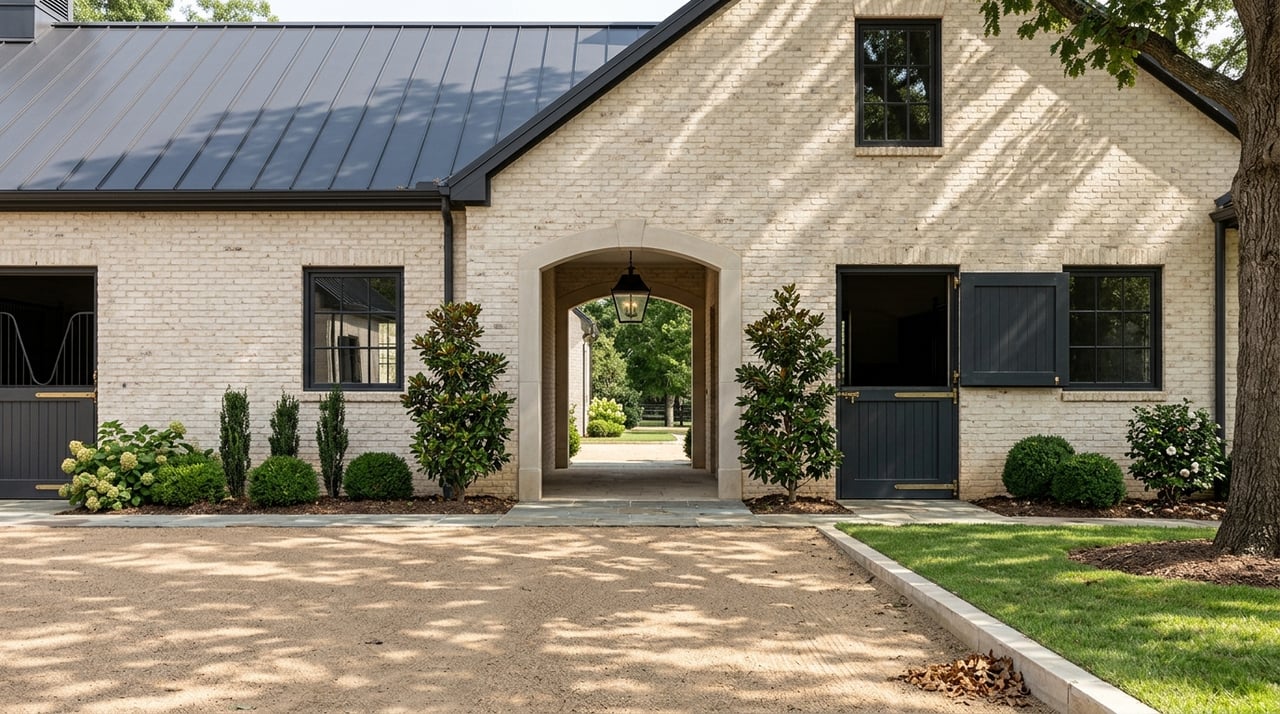
Not every equestrian property in Milton is the same. Some homes may support only a few horses, while others may have a dozen or more. You may see a mix of barns, paddocks, fenced pasture, wooded buffers, and residences set back from the road.
If you are shopping in Milton, it helps to think beyond square footage alone. The land plan, usable pasture, fencing, access points, and overall layout can be just as important as the house itself.
The city actively supports equestrian use
Milton does more than acknowledge its horse community. The city has an Equestrian Committee that advises on equestrian issues, which signals that horse-related concerns are part of ongoing civic planning.
The city is also discussing incentives tied to large-lot properties, including support for covered riding arenas on 10-plus acre properties, rebuilding barns and run-in sheds, more driveway access options, and standardized plans for run-in sheds. For buyers and owners, that reflects a local environment that recognizes the practical needs of equestrian properties.
What to Consider Before You Buy
Estate and equestrian homes can offer a special kind of lifestyle, but they also come with real ownership responsibilities. If you are comparing Milton to more conventional suburban options, it is smart to look closely at utility service, land maintenance, and safety planning.
These details can affect both your day-to-day experience and your long-term costs. A beautiful property often works best when the land and infrastructure fit how you actually want to live.
Water, sewer, and septic
Milton does not provide water or wastewater service. Residents receive those services privately or through Fulton County. If a home does not pay for sewer service, the city says it is likely on septic.
That is an important point for you as a buyer. Septic design depends on factors like household size, soil type, slope, lot size, and proximity to water, and homeowners are responsible for maintaining their own systems. On a large property, understanding that setup early can help you make a more confident decision.
Fencing and pasture upkeep
Horse-property ownership usually involves more than lawn care. According to UGA Extension, horse fencing should be safe, visible, and durable. Pastures also need healthy grass cover, weed control, and attention to toxic weeds and trees.
In practical terms, that means land condition matters. A property may look impressive at first glance, but the quality of the fencing, pasture health, and maintenance routine can shape how functional it really is.
Barn and stable safety
Safety is another major part of ownership. Milton Fire-Rescue offers free barn or stable safety evaluations that can cover electrical safety, fire escape planning and drills, storage of combustibles, fire extinguishers, alarms, sprinkler systems, and carbon-monoxide detection.
For you, that is a useful local resource. It also shows that owning an equestrian property in Milton often includes a more hands-on approach to risk management than a typical neighborhood home.
Fireworks restrictions around equines
Milton has a specific rule that restricts fireworks within 200 yards of properties with equines every day of the year. The city also warns horse owners not to ride during fireworks.
This may sound like a small detail, but it highlights how local regulations and daily awareness can intersect with horse ownership. If equestrian use is central to your lifestyle, these practical rules are worth knowing up front.
Public Open Space Adds to Milton’s Appeal
Private acreage is a major draw in Milton, but public green space also plays a role in the city’s atmosphere. Milton City Park and Preserve totals 137 acres, with 130 acres set aside as passive preserve and a 2.5-mile trail loop.
The city also notes that residents use trails at Bell Memorial Park, Birmingham Park, and Providence Park, along with a growing sidewalk network in Crabapple and Deerfield. For you, that means the open feel of Milton is reinforced by shared outdoor spaces, not just private lots.
The Alpharetta Advantage Nearby
One reason Milton works so well for many buyers is that you do not have to choose between privacy and convenience. Milton borders Alpharetta to the south, which helps position it as an acreage-first option within the metro area while keeping everyday amenities close.
That nearby access can be especially helpful if you want a home with land but still value dining, shopping, trails, and a more walkable setting for outings.
What nearby Alpharetta adds
Alpharetta’s planning pages identify Historic Downtown Alpharetta as a key destination. The visitor bureau describes downtown as easy to explore on foot, with coffee shops, boutique stores, chef-driven restaurants, and community spaces.
The same source highlights the Alpha Loop, a multi-use trail that links Downtown, Avalon, and other key districts. It also notes 270-plus restaurants and more than 250 shops within a five-mile radius, along with over 15 miles of trails and arts and history walks.
For you, the contrast is part of the appeal. Milton can offer pasture, privacy, and estate scale at home, while nearby Alpharetta offers a broad mix of dining, shopping, and activity.
What Sellers Should Highlight in Milton
If you are preparing to sell an estate or equestrian property in Milton, the strongest marketing angle is usually the full lifestyle picture. Buyers are often responding to the land, the setting, the functionality, and the location relationship to nearby amenities all at once.
A thoughtful listing strategy should capture both the beauty and the practical value of the property. That means showing not only the home, but also the way the acreage lives.
Features worth presenting clearly
Depending on the property, buyers may pay close attention to:
- Acreage and lot layout
- Pasture space and fencing
- Barns, sheds, and support structures
- Setback from the road and privacy buffers
- Driveway access and circulation
- Septic or utility setup
- Proximity to Milton green spaces and nearby Alpharetta amenities
For higher-end properties, presentation matters. Professional photography, strong property storytelling, and a clear explanation of the land’s use can help buyers understand what sets your home apart.
Why Local Guidance Matters in Milton
Milton is not a one-size-fits-all market. Two properties with similar acreage can offer very different experiences depending on the land shape, utility setup, equestrian features, and level of maintenance already in place.
That is why local guidance matters. Whether you are buying or selling, you benefit from a brokerage that can help you evaluate not just the home, but the full property picture and how it fits your goals.
If you are considering estate or equestrian living in Milton, the right strategy starts with clear local insight and careful execution. Connect with BOULEVARD for boutique guidance on buying or selling a Milton property with land, lifestyle appeal, and lasting value.
FAQs
What makes Milton, GA attractive for estate living?
- Milton offers a rural yet connected setting, with about 85% of the city agriculturally zoned, residential lots generally at least 1 acre, and many properties featuring open land, tree cover, and set-back homes.
What defines an equestrian property in Milton?
- In Milton, equestrian properties can range from homes with a few horses to larger horse farms, often including pasture, fencing, barns, paddocks, wooded buffers, and larger lot configurations.
Are horse farms concentrated in one part of Milton?
- No. The city says horse farms are dispersed throughout Milton, and a 2024 census identified more than 200 active horse farms across the community.
What should buyers know about septic systems in Milton?
- Milton does not provide water or wastewater service, and homes that do not pay for sewer service are likely on septic, which homeowners must maintain themselves.
Does Milton offer resources for barn safety?
- Yes. Milton Fire-Rescue offers free barn or stable safety evaluations that can review electrical safety, escape planning, combustible storage, extinguishers, alarms, sprinkler systems, and carbon-monoxide detection.
How close is Milton to Alpharetta amenities?
- Milton borders Alpharetta to the south, giving residents convenient access to Downtown Alpharetta, the Alpha Loop, restaurants, shops, trails, and other everyday destinations nearby.