By BOULEVARD
Atlanta homes are as varied as the city itself, from the stately Colonial Revivals of Buckhead to the sleek modern condos rising above Midtown. The architecture and neighborhood character of your home can serve as a starting point, but the style you choose ultimately reflects how you live. Here is a look at the interior design approaches resonating most with Atlanta homeowners right now.
Key Takeaways
- Atlanta's architectural diversity means no single interior design style fits all, and the right choice starts with understanding the home's bones
- Southern transitional design blends classic architectural detail with contemporary comfort, and it remains one of the most popular and resale-friendly approaches across Atlanta's luxury market
- Warm minimalism has gained significant traction in Atlanta's newer construction neighborhoods, where open floor plans and abundant natural light reward restraint over maximalism
- Biophilic design suits Atlanta's year-round greenery and outdoor culture especially well
Southern Transitional: Where Classic Meets Current
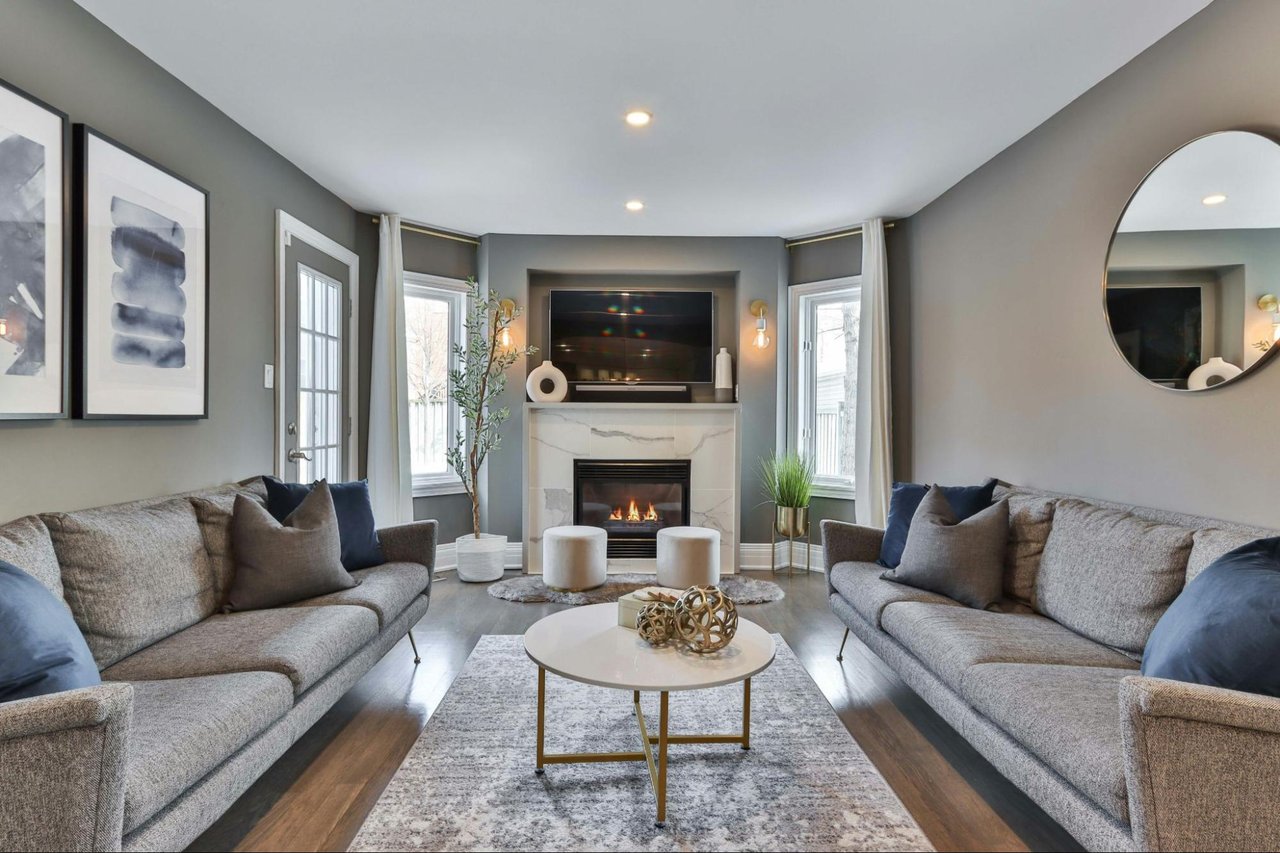
Southern transitional design is the defining interior style of Atlanta's established luxury neighborhoods. It draws on the classical proportions found throughout Buckhead, Druid Hills, and Ansley Park, while pairing them with contemporary upholstery, updated fixtures, and a lighter palette than traditional design allows.
A well-executed transitional interior holds its visual quality over time without feeling dated. Neutral walls in warm greiges and creamy whites, substantial upholstered seating, and mixed metal finishes define the look without locking a room into any particular decade.
A well-executed transitional interior holds its visual quality over time without feeling dated. Neutral walls in warm greiges and creamy whites, substantial upholstered seating, and mixed metal finishes define the look without locking a room into any particular decade.
Key Elements of Southern Transitional Style
- Architectural millwork carried from the home's original character, updated with modern hardware and high-contrast paint choices
- Neutral upholstery in linen, velvet, and performance fabrics that layer texture without competing patterns, anchored by a statement piece in a muted jewel tone
- Lighting that bridges eras: a classic chandelier in a traditional dining room form paired with modern arms, or recessed lighting supplemented by sculptural pendants in main living areas
- Art and objects that reference the South's design heritage used sparingly so the effect reads as genuine rather than themed
Warm Minimalism: Less, but Better
In Atlanta's newer construction neighborhoods, warm minimalism has found a natural home. These spaces feature open floor plans, tall ceilings, and large window runs that reward restraint. Clutter reads immediately in a room with nowhere to hide.
Warm minimalism differs from cold modernism in its material choices. Natural oak and walnut replace glossy lacquer. Textured plaster and raw linen create warmth without pattern. Stone countertops in book-matched marble or leathered granite add movement and depth.
Warm minimalism differs from cold modernism in its material choices. Natural oak and walnut replace glossy lacquer. Textured plaster and raw linen create warmth without pattern. Stone countertops in book-matched marble or leathered granite add movement and depth.
Warm Minimalism Choices That Work in Atlanta Homes
- A restrained furniture plan with fewer, larger pieces positioned to highlight the architectural volume of the space rather than fill every corner
- Natural material surfaces throughout that add tactile richness without color or pattern complexity
- Window treatments that maximize Atlanta's natural light
- A palette of warm whites, sand, and clay with one or two accent tones pulled from the landscape visible through the windows
Biophilic Design: Bringing Atlanta's Green Indoors
Atlanta's tree canopy is one of the city's most distinctive features, and biophilic design is a strong fit here because the raw material is already there. Mature hardwoods visible from nearly every window, a climate that supports outdoor living most of the year, and a cultural emphasis on gardens all support an interior philosophy built around nature.
In Virginia-Highland bungalows and Morningside cottages, where screened porches blur the indoor-outdoor line, biophilic interiors feel especially coherent. The approach means live plants in primary living spaces, natural stone and wood with visible grain, and treating light as a design material rather than simply a utility.
In Virginia-Highland bungalows and Morningside cottages, where screened porches blur the indoor-outdoor line, biophilic interiors feel especially coherent. The approach means live plants in primary living spaces, natural stone and wood with visible grain, and treating light as a design material rather than simply a utility.
Biophilic Design Approaches for Atlanta Homeowners
- A large fiddle leaf fig or olive tree in a double-height entry and smaller trailing plants in kitchen or bathroom windows that face the garden
- Natural stone with the finish that reveals its character
- White oak floors with a natural finish, walnut cabinetry without gloss, or exposed ceiling beams in homes where the structure supports them
- Furniture arranged to face garden windows rather than walls, with interior palettes pulled from the greens and ochres visible outside
Modern Eclectic: Atlanta's Creative Neighborhoods in Interior Form
In Atlanta's more artistically expressive neighborhoods, modern eclectic design fits the character of the architecture. This approach uses a consistent underlying palette to hold together a deliberate mix of periods, origins, and scales.
A mid-century sofa alongside a nineteenth-century farm table. An abstract canvas over a traditional fireplace. Done with a held color story and conscious attention to proportion, the result feels personal and alive in a way no single-period style can match.
A mid-century sofa alongside a nineteenth-century farm table. An abstract canvas over a traditional fireplace. Done with a held color story and conscious attention to proportion, the result feels personal and alive in a way no single-period style can match.
What Makes Modern Eclectic Work
- A consistent color story of three to four tones that appears in every room and acts as the organizing thread
- Every room needs at least one piece of significant visual weight to anchor the mix, and the other elements should be sized in clear relationship to it
- Objects and furniture that carry actual history ground the eclectic approach in something real
- Each surface plane can hold one strong statement piece, not two
FAQs
How do we know which interior design style suits our Atlanta home before we renovate?
Start with the architecture. A home's bones point naturally toward certain styles and resist others. We recommend walking the space with a designer before committing to a direction, particularly in Atlanta's historic neighborhoods where architectural character is a significant part of the property's value.
Does interior design style affect resale value in Atlanta's luxury market?
Yes — execution quality and timelessness matter to buyers. Overly personalized or trend-dependent interiors can narrow the buyer pool. Southern transitional and warm minimalist approaches photograph well and appeal broadly, supporting both days on market and final price in Atlanta's competitive luxury segments.
How do Atlanta's neighborhoods influence which interior style fits best?
Neighborhood character and architectural type are strong signals. Buckhead estates and Druid Hills Colonials suit traditional and transitional approaches. Midtown and Old Fourth Ward's newer builds align with minimalism and modern eclectic. Candler Park and Kirkwood bungalows are natural candidates for biophilic and eclectic approaches.
Contact BOULEVARD Today
Interior design is one of the ways Atlanta homeowners build and protect the value of their properties, and understanding what works in this specific market is part of what we bring to every client relationship. Whether you are preparing a home for sale, evaluating a purchase, or simply building the life you want in the city you love, we are here to help.
Reach out to us at BOULEVARD to start the conversation about your Atlanta home.
Reach out to us at BOULEVARD to start the conversation about your Atlanta home.