By BOULEVARD
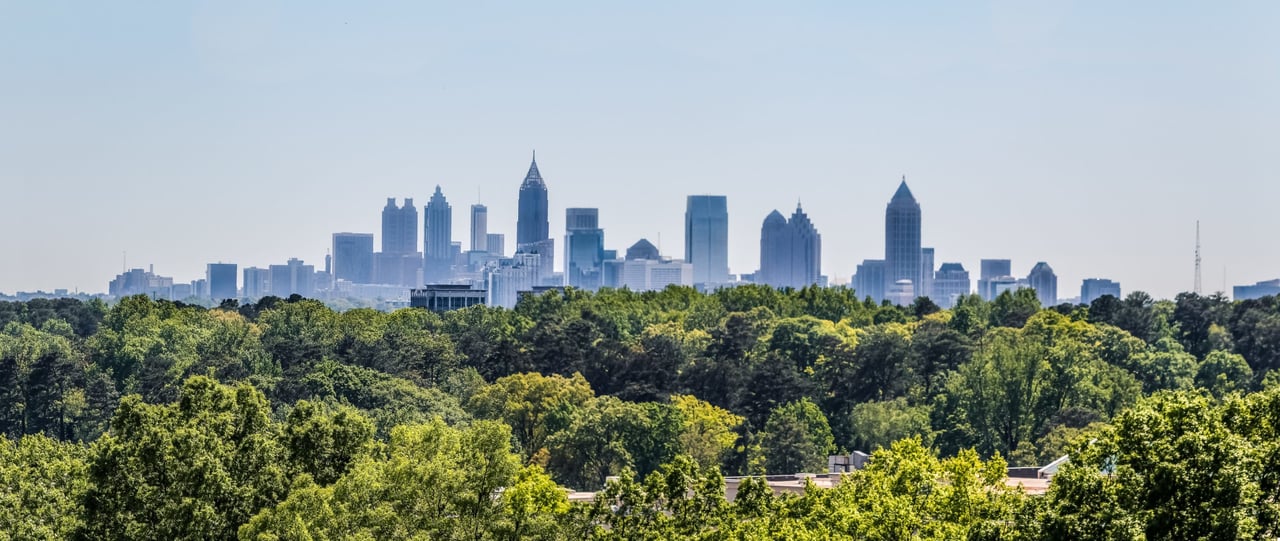
Atlanta defies easy summary, which is part of what makes it worth the effort of knowing well. The city is the birthplace of the modern Civil Rights Movement, a leading center of global commerce, and a film production hub whose output has drawn national comparison to Los Angeles — all within a metropolitan footprint of dense tree canopy and residential neighborhoods that deliver the kind of daily livability most cities only gesture toward.
What makes Atlanta special is the density of meaningful institutions, the range of distinct communities, and the particular energy of a city that has reinvented itself more than once without losing the thread of what it has always been.
Key Takeaways
- Civil Rights heritage: Atlanta's role as the birthplace of the modern Civil Rights Movement is woven directly into the physical fabric of the city, experienced firsthand along the Sweet Auburn corridor and at the National Center for Civil and Human Rights.
- Creative economy: From the Alliance Theatre to Tyler Perry Studios to SCAD Atlanta, the city has developed a film production and arts infrastructure that has fundamentally altered its cultural identity over the past two decades.
- Business and connectivity: Hartsfield-Jackson Atlanta International Airport, a Fortune 500 headquarters corridor, and an expanding technology sector combine to make Atlanta one of the most economically connected cities in the United States.
The Civil Rights Legacy and the Sweet Auburn Corridor
No American city carries a more significant chapter of the twentieth century than Atlanta does, and the physical legacy of that history is accessible in a way that few national landmark sites can match.
What the Sweet Auburn Corridor Offers Residents and the City
- Martin Luther King Jr. National Historical Park: The NPS-managed park encompasses the birth home, the gravesite, and interpretive exhibits along Auburn Avenue that situate King's life within the specific Atlanta context from which the Civil Rights Movement drew much of its early momentum.
- Ebenezer Baptist Church: The historic church where King was baptized, ordained, and eventually eulogized remains an active congregation — a living institution that carries the full weight of its history without becoming a monument to it.
- The National Center for Civil and Human Rights: Located in downtown Atlanta, adjacent to Centennial Olympic Park, the NCCHR connects the American Civil Rights Movement to the global struggle for human rights through exhibitions that rank among the most thoughtfully designed in any American museum.
These are the specific sites and institutions that give the Sweet Auburn corridor its sustained significance for the people who live here.
Atlanta's Creative Economy: Film, Art, and Performance
Atlanta's emergence as a major center of American film and television production has been one of the defining stories of the city's past two decades, and the effects on the broader creative culture extend well beyond the soundstages.
The Institutions and Infrastructure That Define Atlanta's Creative Life
- Tyler Perry Studios: The 330-acre studio complex at the former Fort McPherson site in Southwest Atlanta is one of the largest studio facilities in the country and has made Atlanta a primary destination for major film and television production, with economic and cultural effects that ripple across the metro.
- High Museum of Art: One of the premier art museums in the American South, the High has developed an exhibition program and a permanent collection — housed in the Richard Meier-designed building on Peachtree, expanded by Renzo Piano — that places it among the country's significant regional institutions.
- Alliance Theatre and the Fox Theatre: The Alliance, within the Woodruff Arts Center complex, produces a season of new American work and significant revivals that has earned consistent national recognition; the Fox Theatre, one of the country's best-preserved atmospheric houses, anchors the region's touring Broadway and major concert calendar.
Atlanta's creative economy spans multiple disciplines and operates through a network of institutions and independent operators that use the city as a genuine home base.
Business, Connectivity, and Atlanta's Economic Case
Atlanta's economic infrastructure has made it one of the most consequential business cities in the American South — and, increasingly, in the country.
What Drives Atlanta's Business Ecosystem
- Fortune 500 concentration: Atlanta is home to the global headquarters of Coca-Cola, Delta Air Lines, Home Depot, and UPS, among others — a concentration that supports a professional services economy and a corporate culture that has shaped the city's development for generations.
- Technology sector growth: Major technology companies, including Microsoft, Google, and Salesforce, have established significant Atlanta presences in recent years, reinforcing a tech corridor that draws on engineering and computer science talent from Georgia Tech and broadens the range of professional opportunities available across the metro.
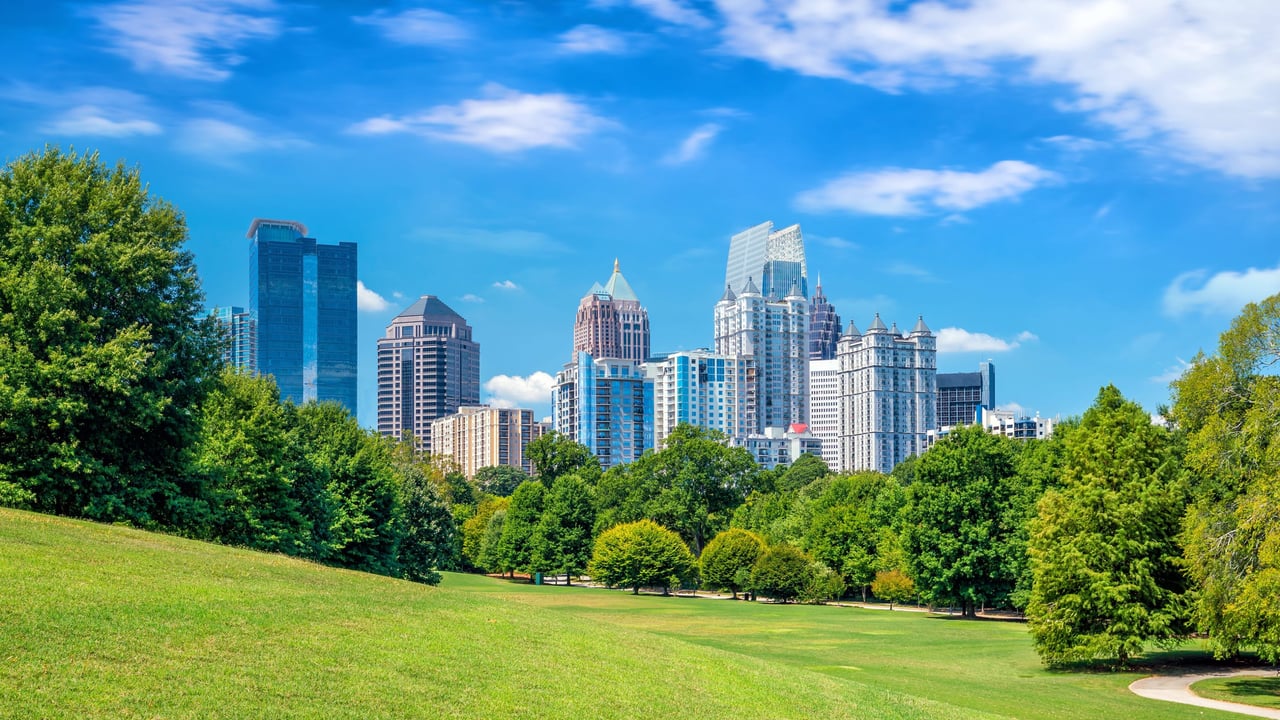
- The Midtown commercial corridor: The stretch of Peachtree Street running through Midtown concentrates office towers, law firms, financial institutions, and creative agencies in a walkable environment that gives the central city a genuine daily density at street level.
Atlanta's economic case is compelling on its own terms, and it compounds with the quality of daily life the city offers outside of business hours.
FAQs
Why do people consistently choose Atlanta over other Southern cities?
Atlanta combines a business infrastructure, a cultural depth, and a quality of residential life that no other Southern city assembles in quite the same configuration. The presence of major universities and research institutions, a significant creative industry, a Civil Rights heritage with genuine civic weight, and neighborhoods that range from walkable urban cores to tree-canopied residential streets makes the choice feel deliberate rather than circumstantial.
What neighborhoods does BOULEVARD focus on in Atlanta?
BOULEVARD works across Atlanta's most sought-after residential markets — from established communities surrounding Midtown and the arts corridor to the historically significant neighborhoods of the West End and Inman Park.
How does Atlanta's size translate to everyday life?
Atlanta is large in area but organized around neighborhoods that function at a considerably more human scale — most residents identify primarily with their immediate community rather than the metro as a whole.
Contact BOULEVARD Today
If you are considering a move to Atlanta and want to work with a team that understands what makes Atlanta special at the level of streets, buildings, and communities, we are ready for that conversation.
Reach out to us at BOULEVARD for market knowledge with the depth that comes from daily engagement, and we bring that knowledge to every search we take on.
Reach out to us at BOULEVARD for market knowledge with the depth that comes from daily engagement, and we bring that knowledge to every search we take on.