If you are drawn to Marietta for its character, you are not alone. Many buyers love the idea of a home with historic details near the Square, while others want the comfort and convenience of newer construction close to the same energy and amenities. The good news is that Marietta offers both, and understanding the difference can help you buy with more confidence. Let’s dive in.
Why Marietta Feels Distinct
Marietta Square serves as the city’s central gathering place, anchored by Glover Park. Around it, you will find a housing mix shaped by history, preservation, and thoughtful growth.
The City of Marietta identifies five National Register historic districts: Atlanta-Frasier Street, Church-Cherokee Street, Northwest Marietta Street, Washington Avenue, and Whitlock Avenue. The city also maintains local historic districts and landmarks, which means many homes near the Square exist within a broader preservation framework, not just an older streetscape.
That matters when you are comparing properties. A charming older home may come with review standards tied to the area, while a newer home nearby may still need to fit the established scale and character of its surroundings.
Historic Homes Near the Square
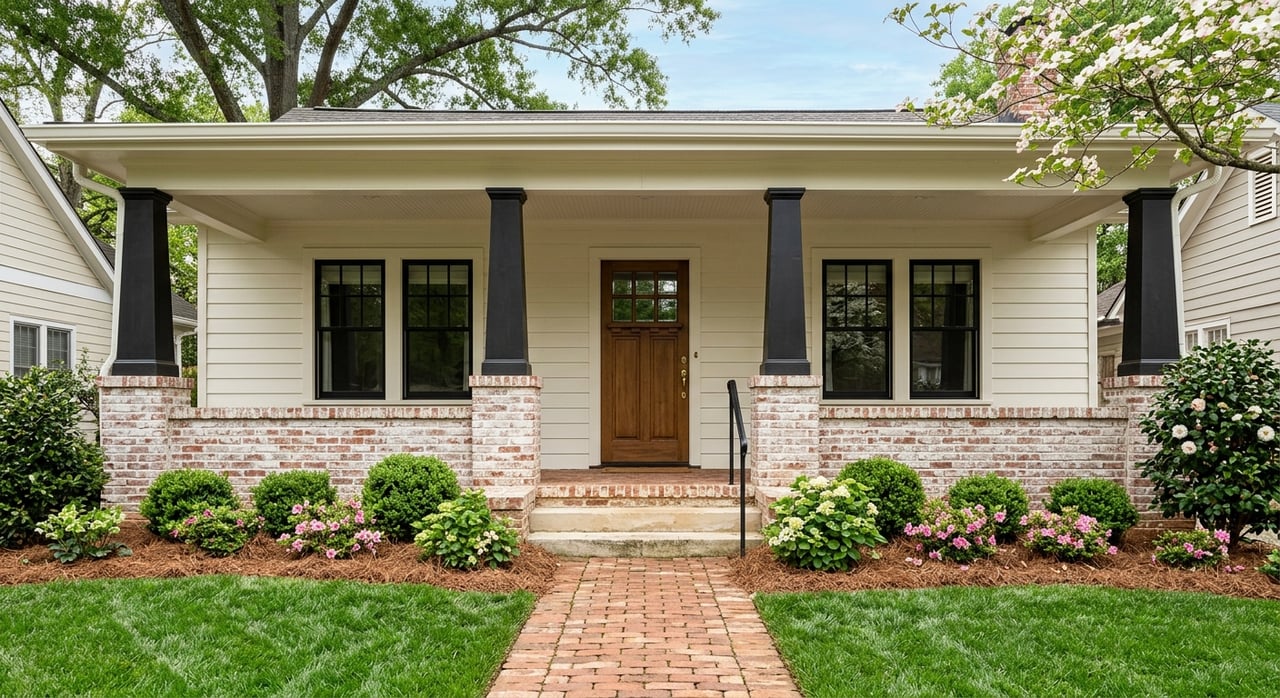
If you love original architecture, mature streets, and a sense of place, historic homes in Marietta can be very appealing. These properties often stand out for their details and their connection to the city’s long-standing identity.
In Marietta, preservation is part of the local housing conversation. The city has restoration, maintenance, and new residential construction standards for the Church-Cherokee neighborhood, which shows how seriously design compatibility and stewardship are treated.
What historic district status can mean
Historic district status is important to understand before you buy. In the Downtown Marietta Historic District, the Historic Board of Review considers compatibility factors such as height, proportion, scale, paint colors, signs, awnings, and new buildings.
In locally designated districts like Kennesaw Avenue, certain projects require a Certificate of Appropriateness before work begins. For you as a buyer, that means exterior changes may involve an added review step depending on the home and location.
Why older homes need more due diligence
Older homes often reward buyers with charm, but they usually require more planning. If the home was built before 1978, federal law requires lead-based paint disclosure, and buyers who want testing can use a certified inspector or risk assessor.
Inspections also matter because older homes may not have been built with modern insulation methods. Older windows and doors can allow more heat transfer, which can affect comfort and energy use over time.
Common upgrade areas in older homes
When you look at older housing stock, it helps to think beyond finishes. You may want to ask about:
- Window condition
- Door sealing
- Insulation levels
- Air leaks around the home envelope
- The age and condition of major systems
The U.S. Department of Energy points to air sealing, caulking, weatherstripping, and insulation upgrades as practical ways to improve comfort and reduce energy loss. In real terms, that means historic charm may come with a longer to-do list, especially if the home has not been updated over time.
New Homes in the Marietta Mix
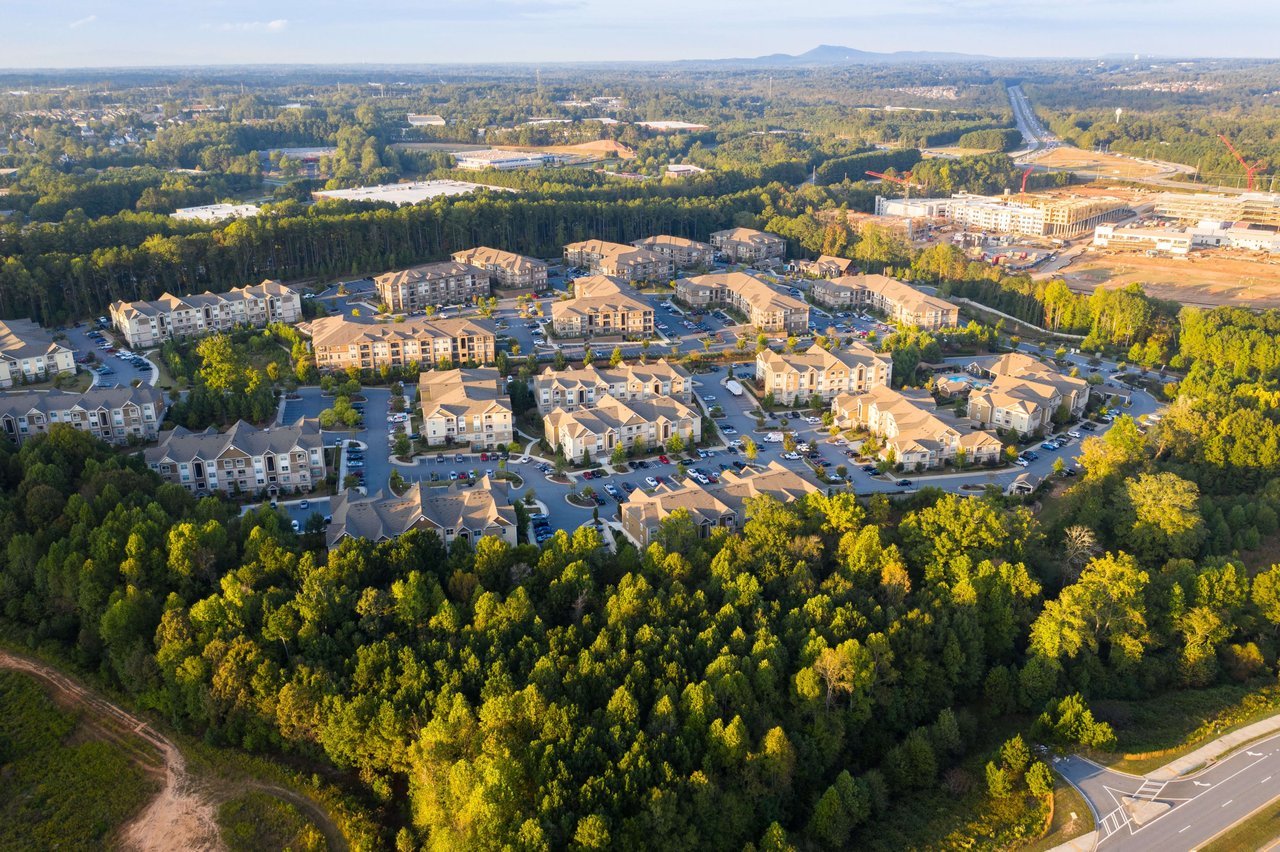
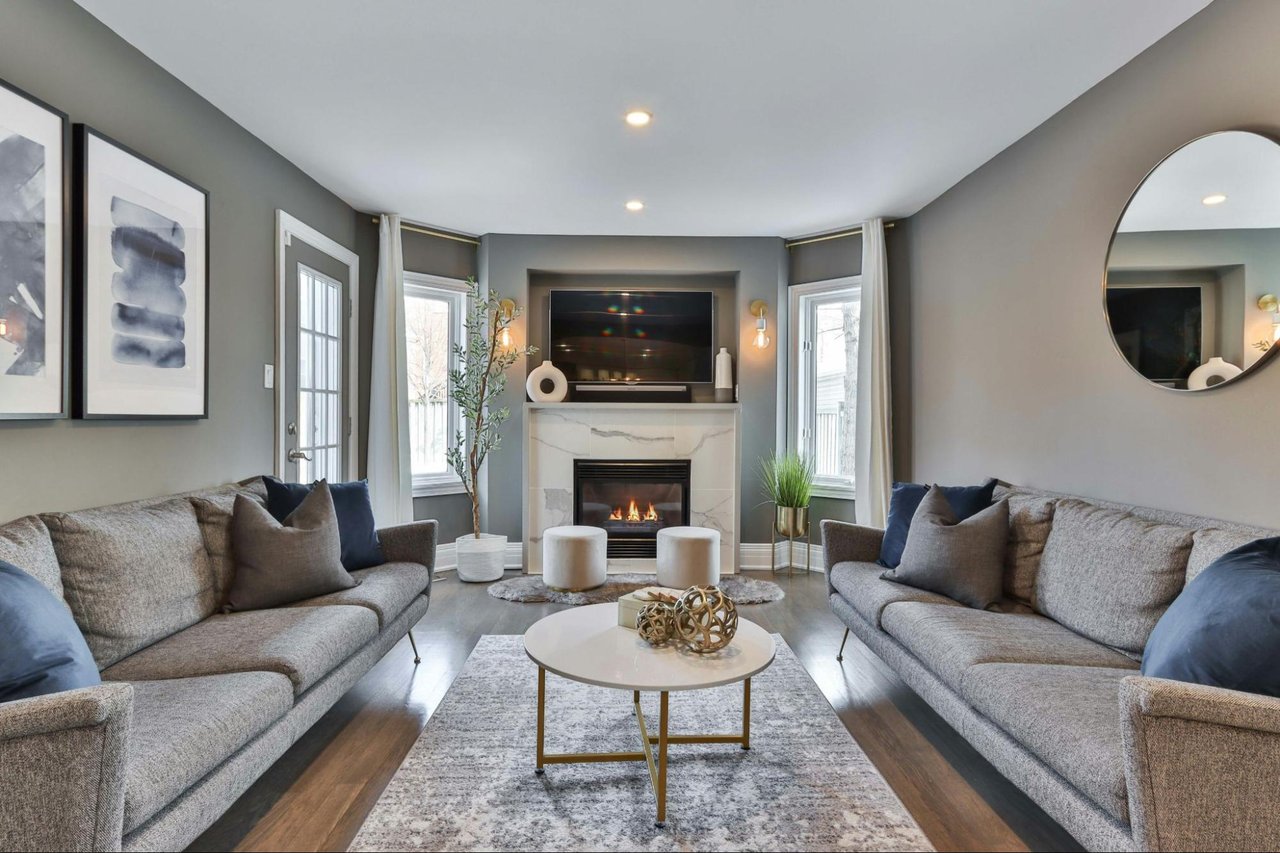
If your priority is lower maintenance and modern comfort, newer homes can be a strong fit. Many buyers like the idea of moving in with fewer immediate projects and more up-to-date materials and systems.
Newer homes often appeal to buyers who want a more predictable start. While every property is different, new construction usually arrives with fewer near-term insulation, sealing, and window upgrades than many older homes.
Comfort and efficiency benefits
The Department of Energy describes certified DOE Efficient New Homes as high-performance homes designed for energy savings, comfort, health, and durability, with third-party verification. DOE also notes that virtually all new efficient buildings use double- or triple-glazed windows.
Tighter air sealing is another common advantage in efficient newer homes. That can reduce leaks and help improve interior comfort, especially during seasonal temperature changes.
New construction can still face design review
A newer home near historic areas is not automatically free from oversight. In Marietta, the Historic Board of Review handles compatibility issues inside the historic district.
That means a new build or major exterior change may still need to fit neighborhood scale and character. If you are considering new construction in or near a historic setting, location-specific guidance becomes especially important.
Choosing Between Old and New
There is no one right answer. The better choice depends on how you want to live, how much project work you are open to, and what kind of setting feels right for you.
Here is a simple way to frame the decision:
| Home Type | Potential Advantages | Things to Plan For |
|---|---|---|
| Older historic home | Character, architectural detail, connection to Marietta’s history | More due diligence, possible updates, possible review for exterior changes |
| Newer home | Modern comfort, fewer immediate upgrades, more efficient construction features | Possible design compatibility rules near historic areas |
If you value original character and are comfortable planning for inspections and future improvements, an older home may feel worth it. If you want a more turnkey experience, a newer home may align better with your goals.
Lifestyle Around Marietta Square
Housing is only part of the story. Marietta’s appeal also comes from the way daily life connects to parks, events, and local history.
The city’s parks system includes 18 parks, such as Laurel Park, Glover Park, A.L. Burruss Nature Park, and Wildwood Park. Glover Park itself is a 1.16-acre park with a gazebo, fountain, stage, playground, street parking, and walking-distance access to shopping, restaurants, museums, and theaters.
Events that shape the area’s rhythm
The city says many special events are held in Glover Park on the Historic Marietta Square. These events are intended to promote tourism, showcase local talent, draw first-time visitors, and help keep downtown active.
Recurring examples include:
- Glover Park Concert Series on the last Friday of April through September
- Brown Bag Concerts every Thursday in May and September
- HarvestFest each third Saturday in October
For buyers, those details help paint a clearer picture of the area’s atmosphere. If you want a location with regular public events and a strong civic center, this part of Marietta offers that experience.
History and outdoor access nearby
The Marietta History Center adds another layer to the area’s identity. It opened in 1996 as the Marietta Museum of History, has more than 50,000 artifacts, and is housed in the historic Kennesaw House one block west of the Square.
The city also promotes Six Museums, One Square, adding to the sense of place around downtown. Nearby, Kennesaw Mountain National Battlefield Park preserves 2,965 acres, giving residents access to a major outdoor and historic resource close to the Square.
How to Approach Your Home Search
If you are deciding between historic charm and a newer build in Marietta, the best first step is to narrow your priorities. Think about how much renovation planning you want, how important architectural character is to you, and whether living near the Square fits your daily routine.
It also helps to evaluate each property in context. In Marietta, that context may include historic district rules, the condition of the home, likely upgrade needs, and the lifestyle benefits that come with a central location.
A thoughtful home search is not just about square footage or finishes. It is about finding the right fit between the home itself, the surrounding area, and the level of maintenance or oversight you are comfortable with over time.
Whether you are looking for a character-filled older home or a newer property with modern ease, local guidance can make the process clearer. If you are exploring Marietta and want tailored insight on homes near the Square and surrounding neighborhoods, connect with BOULEVARD.
FAQs
Which Marietta neighborhoods are in historic districts?
- The City of Marietta identifies five National Register historic districts: Atlanta-Frasier Street, Church-Cherokee Street, Northwest Marietta Street, Washington Avenue, and Whitlock Avenue. The city also maintains local historic districts and landmarks.
What exterior changes need approval in Marietta historic areas?
- In the Downtown Marietta Historic District, the Historic Board of Review considers compatibility factors like height, proportion, scale, paint colors, signs, awnings, and new buildings. In locally designated districts like Kennesaw Avenue, certain projects require a Certificate of Appropriateness before work begins.
What should buyers inspect in older Marietta homes?
- Buyers should plan for strong due diligence, especially in older homes that may have aging windows, doors, insulation, or other systems. For most homes built before 1978, lead-based paint disclosure is also required.
What efficiency benefits do newer Marietta homes offer?
- Newer homes often include tighter air sealing and modern window systems, and efficient new homes may be designed for energy savings, comfort, health, and durability. They also usually need fewer immediate insulation and sealing upgrades than many older homes.
What parks and events shape life near Marietta Square?
- Glover Park is a central feature near the Square, and the city’s park system includes 18 parks. Regular events include the Glover Park Concert Series, Brown Bag Concerts, and HarvestFest.