Thinking about a move to Dunwoody and wondering what daily life actually looks like once the boxes are unpacked? If you are balancing commute needs, housing options, errands, and weekend plans, you probably want more than a map and a few listing photos. This guide gives you a practical look at how Dunwoody functions day to day so you can decide if it fits your routine and goals. Let’s dive in.
Why Dunwoody appeals to relocators
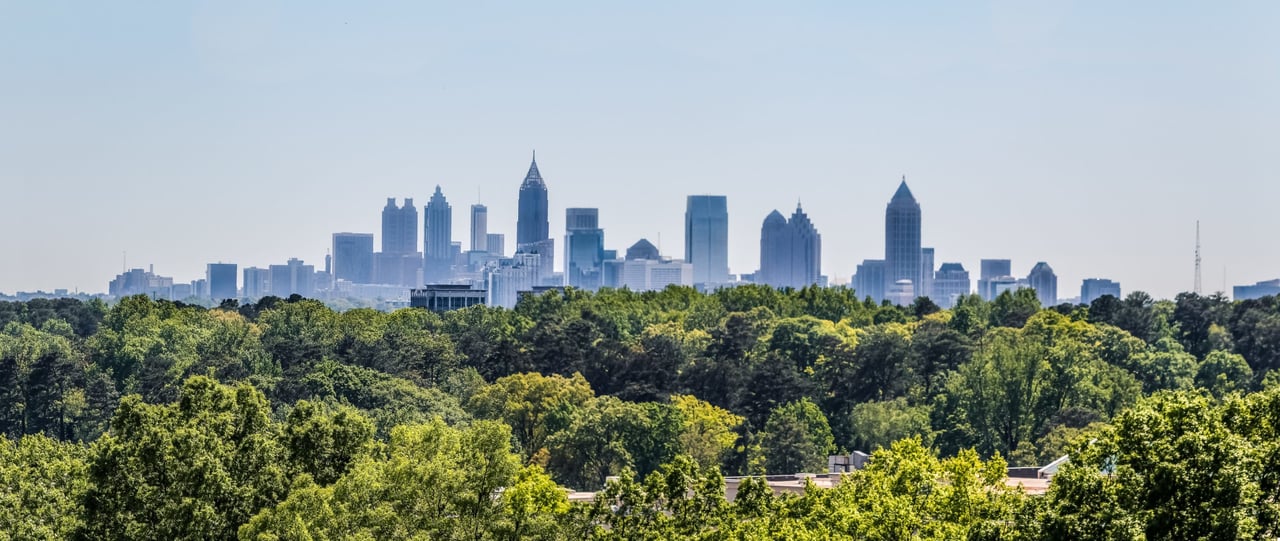
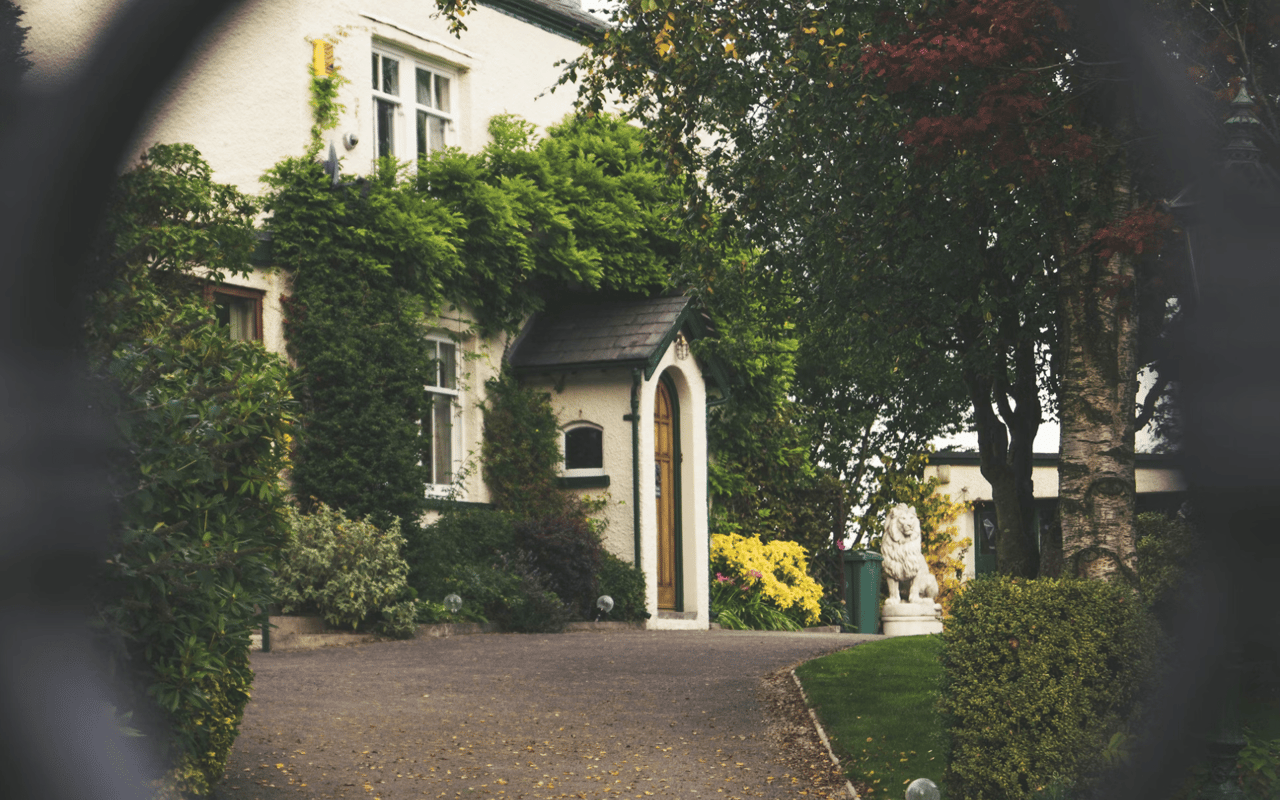
Dunwoody offers a blend that many movers are looking for: established residential areas, a major employment hub, and growing mixed-use districts where shopping and dining are close at hand. The city describes itself as part of Atlanta’s Central Perimeter, with a strong business presence and older neighborhoods known for spacious homes and larger lots.
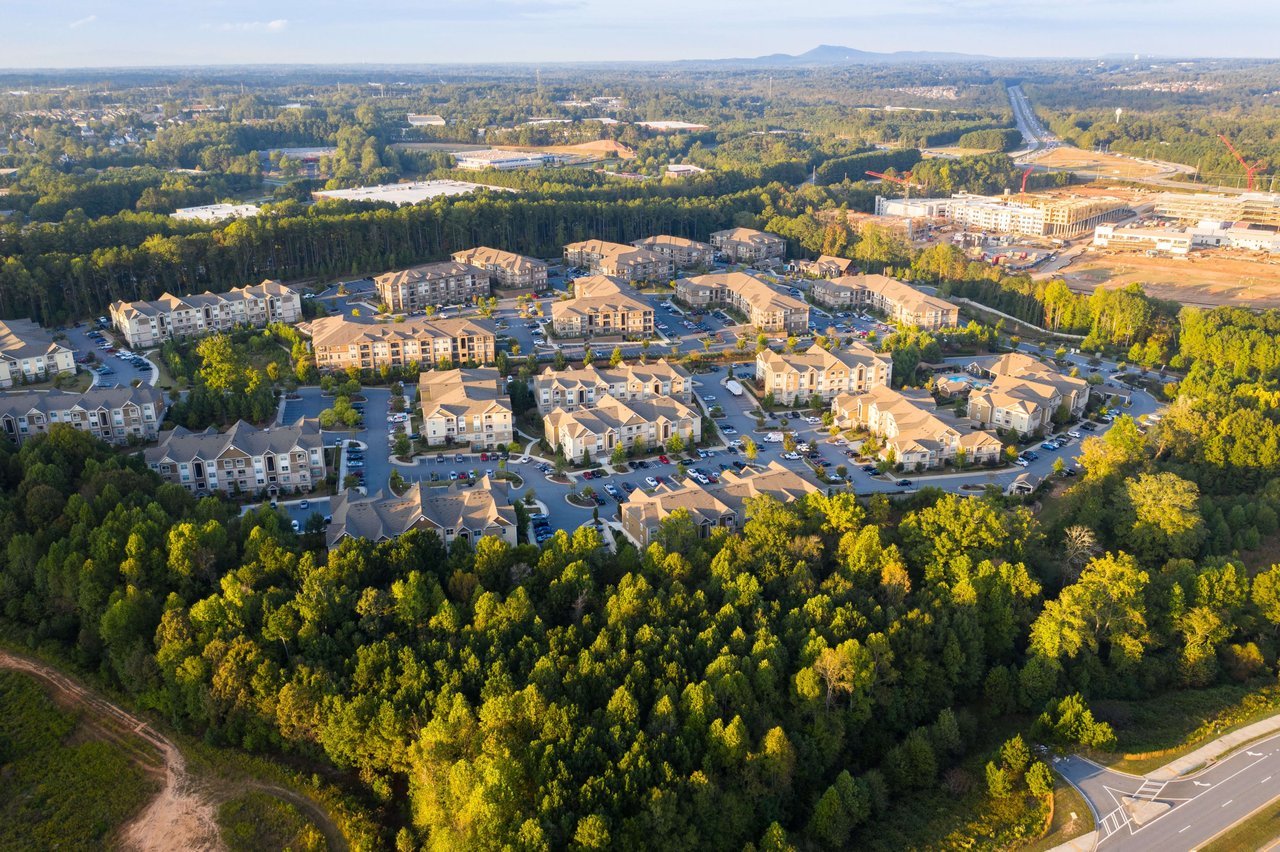
At the same time, newer apartments, condos, cluster homes, and live-work-play development have added more variety to the housing landscape. That means your move does not have to fit one lifestyle model. You can look for a more traditional residential setting, a lower-maintenance home, or something closer to retail and transit.
What everyday living feels like
Daily life in Dunwoody tends to center around a few practical priorities: getting to work, running errands efficiently, and having easy access to parks, restaurants, and community spaces. The city has a clear local rhythm, with activity concentrated in areas like Dunwoody Village and Perimeter Center.
Dunwoody Village gives the city a recognizable local center for casual meetups and everyday stops. The area has been refreshed with outdoor seating along with new restaurants and shops, which helps make quick errands feel a little more connected to the community around you.
Perimeter Center brings a different energy. It is one of the main employment and commercial areas in the city, so if your work or routine ties into the Central Perimeter, living nearby can make day-to-day logistics easier.
Housing options in Dunwoody
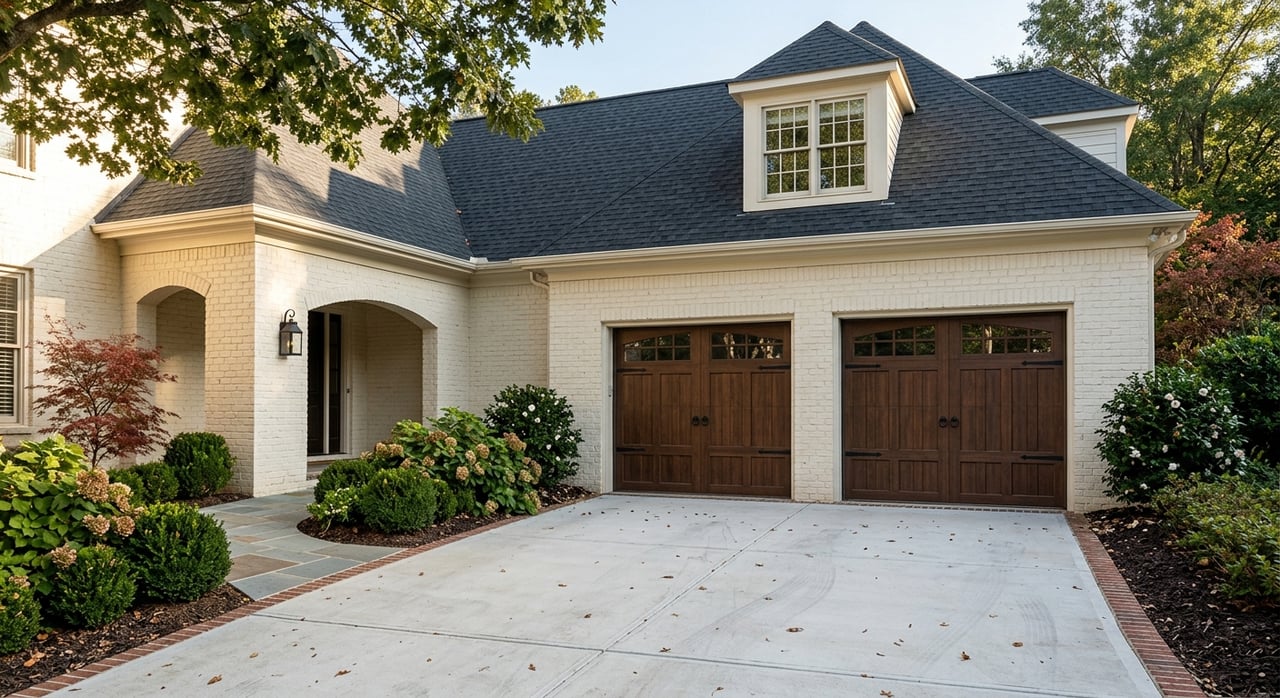
One of Dunwoody’s practical strengths is its range of housing types. Buyers are likely to encounter single-family homes, townhomes, condos, and apartments, which gives you more flexibility than in places dominated by just one product type.
If you want established surroundings, older neighborhoods are often associated with larger lots and more traditional suburban streetscapes. If you prefer convenience and lower upkeep, higher-density options near shopping and transportation may be a better match.
Where home styles tend to cluster
Higher-density housing and newer mixed-use residential options are concentrated near Perimeter Center. This is where you are more likely to find condos, townhomes, and apartment communities near major roads, retail, and commuting routes.
The city points to projects like High Street and the transformation of Ashford Lane as examples of this pattern. These areas combine residences with restaurants, shops, offices, and shared outdoor spaces, creating a more connected and walkable feel in certain pockets.
What home prices suggest
Current market data places Dunwoody in an upper-mid to higher-priced suburban bracket. Reported figures vary by source, with median sale price estimates around the low $700,000s and a median listing price reported at $610,000 in May 2026.
The most useful takeaway is not the exact number from one platform. It is that Dunwoody is generally not an entry-level bargain market, but it does offer multiple housing formats and price points rather than a single one-size-fits-all option.
Getting around Dunwoody
For many households, commuting will be one of the biggest factors in choosing where to live. Dunwoody’s practical road network includes I-285, GA-400, Hammond Drive, Ashford Dunwoody Road, and Perimeter Center Parkway, all of which shape how residents move through the area.
Because Dunwoody sits in Atlanta’s Central Perimeter, it is closely tied to a major job center. The city identifies Perimeter Center as a regional activity center and workplace for many large employers, including office campuses like Ravinia, Terraces, and Campus 244, as well as companies such as State Farm and IHG.
MARTA access and park-and-ride
Dunwoody also offers a useful transit option for people who do not want to depend entirely on driving. Dunwoody Station sits on MARTA’s Red Line at Perimeter Center Parkway and Hammond Drive, next to Perimeter Mall.
According to MARTA, the station includes free daily parking for up to 24 hours and $5 long-term parking. For many residents, that makes a park-and-ride routine realistic, especially if you want flexibility rather than a fully transit-based lifestyle.
Trails, sidewalks, and short trips
Dunwoody is still largely car-oriented, but the city has been building toward better short-distance connections. Its trail master plan envisions 68 miles of existing, planned, and proposed trails connecting residents to parks, shopping centers, and two MARTA stations.
The city also notes that its bicycle network is designed to connect destinations within Dunwoody rather than replace driving altogether. In real terms, that means you may be able to combine driving with walking, biking, or transit for part of your trip, especially around Perimeter Center, Dunwoody Village, and Brook Run.
Parks and outdoor space
If outdoor access matters to your daily routine, Dunwoody offers a strong park system. The city manages 11 parks and more than 200 acres of green space, giving residents multiple options for exercise, casual time outside, and community events.
Brook Run Park is the standout destination. At 110 acres, it includes a large playground, a 2-mile loop trail, skate park, disc golf course, dog park, community garden, athletic fields, amphitheater, open fields, pavilions, and the Treetop Quest adventure course.
Brook Run also hosts the Groovin' on the Green summer concert series, which adds another layer to everyday living beyond just recreation. It is the kind of place that can support both a quick weekday walk and a longer weekend outing.
Dunwoody Park and Nature Center adds another option for year-round programming tied to meadow, creek, and trail settings. If you like having green space woven into your weekly routine, these amenities make Dunwoody feel more balanced than a purely commercial suburb.
Shopping, dining, and errands
One of the easier parts of settling into Dunwoody is the range of established commercial areas. Instead of relying on a single retail corridor, the city highlights several districts that serve different day-to-day needs.
These include:
- Dunwoody Village
- Park Place
- Ashford Lane
- High Street
- Perimeter Marketplace
Dunwoody Village functions as a local gathering point with a renovated courtyard and newer restaurants. Park Place is being reshaped into a modern village focused on food, beverage, shopping, wellness, and everyday needs.
Ashford Lane blends shops, restaurants, offices, and residences around a central lawn. High Street adds another large mixed-use environment with retail, restaurants, apartments, office space, and a park, while Perimeter Marketplace serves as a grocery-anchored retail node with trail connections.
Taken together, these districts make it easier to picture daily life. You are not just choosing a house. You are choosing where your coffee runs, grocery trips, casual dinners, and after-work meetups are likely to happen.
Arts and cultural amenities
Dunwoody’s cultural offerings are practical and centralized rather than spread out. The Dunwoody Cultural Arts Center creates a compact hub where several community resources share one campus.
At 5339 Chamblee Dunwoody Road, the campus includes the Spruill Center for the Arts, Stage Door Theatre, the Chattahoochee Handweavers Guild, and the Dunwoody Library. That setup makes it easier to build arts, learning, and events into your routine without needing to travel across multiple locations.
For a relocating buyer, this matters because it adds depth to daily living. Beyond homes and commutes, it gives you a clearer sense of where people gather for programs, performances, and creative activities.
How to decide if Dunwoody fits you
Dunwoody can be a strong fit if you want practical access to Atlanta’s Central Perimeter while still having a choice between more established residential settings and newer mixed-use living. It may also appeal to you if parks, errands, and flexible commuting options all need to work together in one place.
As you narrow your search, it helps to think in terms of routine rather than just square footage. Ask yourself where you want to spend most of your week, how you want to commute, and whether you prefer a traditional neighborhood feel or a location closer to shopping, dining, and transit.
That kind of clarity can make your home search more efficient and more confident. If you are planning a move and want thoughtful guidance on where to start, BOULEVARD offers a polished, hands-on approach to relocation support across the Atlanta area.
FAQs
What types of homes can you find in Dunwoody?
- Dunwoody includes single-family homes, townhomes, condos, and apartments, with older neighborhoods and newer mixed-use residential areas offering different lifestyle options.
What is commuting like from Dunwoody, Georgia?
- Many residents rely on major routes like I-285, GA-400, Hammond Drive, Ashford Dunwoody Road, and Perimeter Center Parkway, and some use MARTA from Dunwoody Station for park-and-ride commuting.
Where are Dunwoody’s newer mixed-use areas?
- Newer mixed-use housing and commercial development are concentrated near Perimeter Center, including areas such as High Street and Ashford Lane.
What parks are available in Dunwoody?
- Dunwoody has 11 parks and more than 200 acres of green space, with Brook Run Park and Dunwoody Park and Nature Center among the city’s best-known outdoor destinations.
Where do people shop and dine in Dunwoody?
- Common shopping and dining districts include Dunwoody Village, Park Place, Ashford Lane, High Street, and Perimeter Marketplace.
Is Dunwoody a more suburban or urban place to live?
- Dunwoody offers a mix of both, with established suburban neighborhoods alongside higher-density and mixed-use areas near Perimeter Center.